When a Child Isn’t “Just Acting Out”: Understanding Neurodevelopmental Needs Early

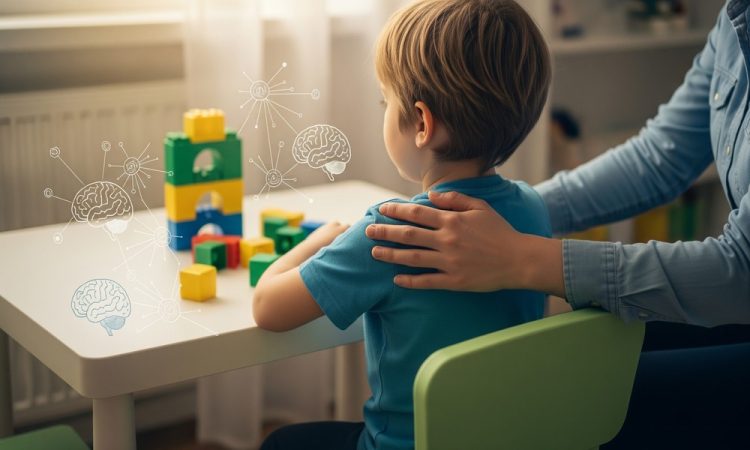
Children sometimes display behaviors that adults describe as “acting out.” Tantrums, resistance to instructions, emotional outbursts, and difficulty interacting with peers can occur during typical childhood development. These behaviors are often temporary responses to stress, fatigue, or changes in routine.
However, there are situations where repeated behavioral challenges may reflect deeper developmental differences. When communication delays, sensory sensitivities, or persistent difficulties with attention and social interaction are present, the behaviors may represent a child’s way of expressing unmet needs or navigating an overwhelming environment.
Understanding the difference between typical childhood behavior and possible neurodevelopmental concerns can help families provide support earlier. Recognizing patterns, seeking guidance from professionals, and responding with patience rather than punishment can make a meaningful difference in a child’s long-term development.
Looking Beyond the Label of “Bad Behavior”
When a child frequently struggles with behavior, adults sometimes interpret the actions as intentional defiance. For example, a child may refuse to follow instructions, avoid eye contact, or react intensely to routine changes. Without additional context, these responses can appear to indicate that the child is choosing to misbehave.
In reality, many of these behaviors may reflect underlying developmental challenges. A child who struggles to process verbal instructions may seem uncooperative when they are actually confused. Similarly, a child who becomes overwhelmed by sensory input-such as loud noises or crowded classrooms-may respond with frustration or withdrawal.
Viewing behavior as communication rather than misbehavior can help parents and educators respond more effectively. Instead of focusing only on correcting the behavior, adults can begin asking important questions: What might the child be experiencing? What skills may still be developing? And how can adults create environments that support learning and regulation?
Early Feeding and Developmental Foundations
Neurodevelopment begins long before children enter school. During infancy, early experiences related to feeding, bonding, and sensory interaction play an important role in shaping developmental patterns. Difficulties with feeding, for example, can be among the earliest indicators that an infant is experiencing sensory sensitivities or oral-motor challenges.
Infant feeding challenges may include difficulty latching, prolonged feeding sessions, or distress during feeding times. While many feeding issues are temporary, persistent challenges can sometimes signal the need for additional evaluation and guidance.
Professionals who specialize in infant nutrition and feeding dynamics, such as Corporate Lactation Services, often help families navigate these early concerns. Lactation consultants and feeding specialists can identify patterns that may influence early sensory experiences, helping families support healthy feeding habits and infant development.
These early interactions provide valuable insight into how a child processes sensory input and communicates needs, both of which can influence later behavioral patterns.
Communication Differences in Early Childhood
One of the most common early signs of developmental differences involves communication. Some children develop language quickly and use words, gestures, and facial expressions to express their needs. Others may experience delays in speech or difficulty understanding verbal instructions.
Communication differences can lead to frustration for both children and adults. A child who cannot clearly express their needs may respond with crying, yelling, or physical behavior. These reactions are often mistaken for intentional defiance when they are actually attempts to communicate.
Parents can observe several patterns that may indicate communication challenges. These may include limited vocabulary for the child’s age, difficulty following simple directions, lack of pointing or gesturing, or reduced eye contact during conversations.
Recognizing these signs early allows families to seek professional guidance and explore supportive strategies that encourage language development and social interaction.
Behavioral Patterns That May Signal Developmental Needs
While occasional tantrums are common in childhood, consistent behavioral patterns may suggest that a child is experiencing challenges with emotional regulation or sensory processing. For example, some children may become distressed when routines change, struggle to transition between activities, or show strong reactions to certain sounds or textures.
These patterns often appear in multiple environments, including home, school, and social settings. Teachers may notice that a child has difficulty participating in group activities, while parents may observe similar challenges during daily routines.
Routine healthcare visits can provide valuable opportunities to discuss these observations with medical professionals. Primary care providers, such as those at Blue Stone Health & Wellness, often conduct developmental screenings during well-child appointments. These screenings help identify early signs of developmental differences and guide families toward appropriate evaluations or resources.
By discussing concerns early, families can gain a clearer understanding of their child’s development and explore supportive interventions if needed.
How Mental Health Evaluation Supports Understanding
When behavioral or emotional challenges persist, a mental health evaluation can provide additional insight. Child psychiatrists and therapists assess patterns related to mood, attention, social interaction, and emotional regulation. These evaluations often involve conversations with parents, observation of the child’s behavior, and standardized diagnostic tools.
Mental health professionals help determine whether behaviors may be linked to conditions such as attention-related disorders, anxiety, or autism spectrum differences. Understanding the root cause of behavioral challenges allows families to shift from discipline-based responses to supportive interventions.
Organizations like Bristol Health offer comprehensive mental health services that include psychiatric evaluation, therapy, and advanced treatment options such as transcranial magnetic stimulation (TMS) for certain mental health conditions. Access to these diagnostic resources can help families better understand emotional and behavioral patterns affecting their children.
Early evaluation does not necessarily lead to a diagnosis, but it can provide clarity about the most effective ways to support a child’s well-being.
The Role of Behavioral Therapy in Skill Development
When developmental differences are identified, behavioral therapies often become an important part of early intervention. These therapies focus on teaching practical skills that help children communicate, interact socially, and manage emotions more effectively.
One widely used approach is applied behavior analysis (ABA), which focuses on understanding how behavior is influenced by environmental factors and reinforcement. Through structured learning activities, children practice communication, problem-solving, and adaptive behaviors in manageable steps.
Providers such as Sunshine Advantage offer ABA therapy programs designed to support children with autism and related developmental needs. These programs often involve collaboration between therapists, parents, and educators to ensure that skill-building strategies remain consistent across environments.
Over time, behavioral therapy can help children develop stronger communication abilities, greater independence, and improved confidence in social situations.
Creating Supportive Environments at Home and School
Regardless of whether a child receives a formal diagnosis, supportive environments play a key role in helping children manage behavioral challenges. Predictable routines, clear expectations, and patient communication can help children feel secure and reduce stress.
Parents and educators often work together to create strategies that support emotional regulation and learning. Visual schedules, quiet spaces for calming down, and structured transitions between activities can help children navigate daily routines more successfully.
Positive reinforcement is another helpful strategy. Recognizing and encouraging desired behaviors-such as following instructions or using words to express needs-helps children build confidence while learning new skills.
When families, teachers, and healthcare providers collaborate, children benefit from consistent support that strengthens their developmental progress.
Understanding That Early Support Makes a Difference
Many parents worry that seeking help too early may label their child unnecessarily. However, developmental support is not about assigning labels-it is about understanding how a child learns, communicates, and interacts with the world.
Early support allows children to build important foundational skills during a time when the brain is rapidly developing. Interventions that begin during early childhood often have a greater impact than those introduced later, when habits and challenges may be more deeply established.
Families who address concerns early often discover that the process leads to greater understanding of their child’s strengths as well as their challenges. With the right guidance and support, children can learn strategies that help them navigate social situations, communicate effectively, and manage emotional experiences.
Conclusion
When children display challenging behaviors, it is easy to assume they are simply “acting out.” Yet many behaviors reflect deeper developmental experiences that children may not yet have the skills to express in words.
By observing patterns carefully, seeking professional guidance, and responding with patience, families can uncover the reasons behind these behaviors. Early recognition of developmental differences allows children to receive support that strengthens communication, emotional regulation, and social skills.
Understanding behavior as communication opens the door to compassion, collaboration, and meaningful progress. With early awareness and supportive environments, children have greater opportunities to develop the skills they need to thrive.