
Strengthen Transportation Management Through Smart Parking Technology Integration Services

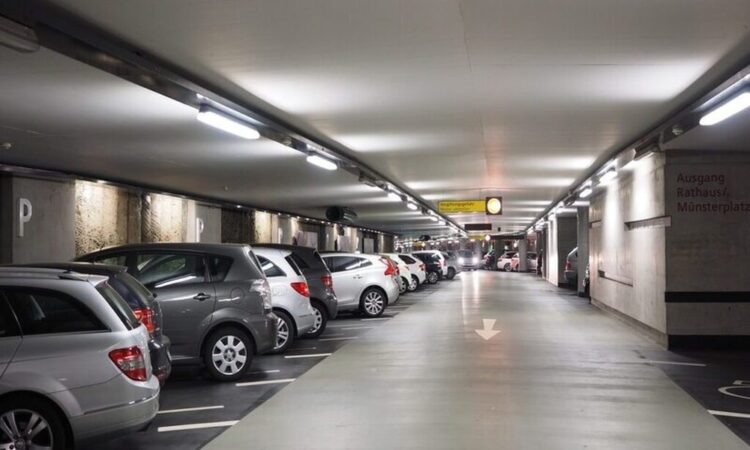
Urban mobility demands stronger coordination across growing transportation networks today. Businesses increasingly adopt parking management companies supporting organized vehicle movement systems. Digital monitoring improves access control across expanding commercial infrastructure. Integrated guidance platforms also reduce congestion surrounding busy operational properties.
How Smart Coordination Improves Daily Vehicle Flow
Transportation departments require accurate movement tracking during demanding operational periods. Smart coordination platforms deliver consistent oversight throughout complex parking environments. Additionally, centralized dashboards simplify route adjustments during crowded arrival schedules. Staff members therefore manage changing vehicle conditions without communication breakdowns.
- Automated alerts reduce delayed vehicle entries
- Digital permits strengthen visitor authorization procedures
- Cloud monitoring improves operational visibility considerably
- Sensor networks detect occupancy changes instantly
Consequently, transportation teams maintain smoother circulation during active commercial hours. Long term planning also benefits from measurable movement pattern analysis.
Operational Visibility Across Expanding Commercial Properties
Large campuses frequently experience confusion surrounding unmanaged vehicle distribution patterns. Integrated systems organize directional movement through centralized communication infrastructure. In contrast, disconnected platforms often increase avoidable administrative complications considerably. Real time updates therefore support accurate responses during unexpected traffic fluctuations.
Managers also examine usage behavior through detailed reporting capabilities. Predictive insights improve scheduling decisions surrounding recurring transportation demands. Because visibility remains continuous, operational disruptions become easier preventing beforehand.
Can Automated Monitoring Reduce Traffic Congestion Problems?
Many transportation facilities struggle handling simultaneous arrivals during peak periods. Automated monitoring platforms identify pressure points before congestion intensifies rapidly. Through coordinated adjustments, entrance delays gradually become less disruptive afterward.
Furthermore, navigation guidance directs drivers toward available locations efficiently. Organized circulation eventually creates safer movement surrounding crowded commercial destinations.
Data Driven Planning Supports Future Transportation Expansion
Infrastructure planning requires dependable information regarding ongoing vehicle activity patterns. Modern systems collect measurable insights supporting long range transportation improvements. Meanwhile, parking management companies assist organizations evaluating scalable mobility solutions carefully. Connected reporting tools additionally strengthen communication between operational and administrative departments.
- Historical analytics reveal recurring congestion behaviors
- Integrated mapping improves directional accuracy substantially
- License recognition strengthens controlled facility access
- Remote supervision reduces unnecessary staffing pressures
As transportation needs evolve, scalable systems support smoother infrastructure adjustments. Organizations therefore avoid disruptive transitions during future operational expansion initiatives.
Why Businesses Prioritize Integrated Parking Technology Solutions?
Commercial environments require dependable coordination supporting employee and visitor movement. Integrated technology improves responsiveness during unpredictable scheduling or occupancy variations. Besides improving efficiency, connected systems strengthen security throughout monitored facilities.
Executives also appreciate measurable performance insights supporting strategic infrastructure development. Consequently, organizations maintain stronger transportation reliability across changing operational conditions.
Long Term Mobility Strategies Encourage Sustainable Transportation Control
Transportation efficiency increasingly influences broader operational performance across commercial sectors. Smart integration services strengthen communication between infrastructure and mobility management teams. Although challenges continue emerging, adaptive systems support organized transportation coordination steadily. Reliable oversight eventually creates better movement experiences across expanding urban properties.
Connected mobility platforms encourage smoother coordination between commuters and facility operators. Data driven scheduling also reduces unnecessary pressure surrounding heavily visited transportation corridors. In several metropolitan regions, automated guidance supports balanced distribution during peak movement periods. Public transit accessibility further improves through synchronized parking availability across connected urban districts. Long term planning therefore becomes increasingly practical for expanding commercial transportation environments.


