Careful Toyota of Boerne Auto Body Painting Services Prepare Surfaces for Refinishing

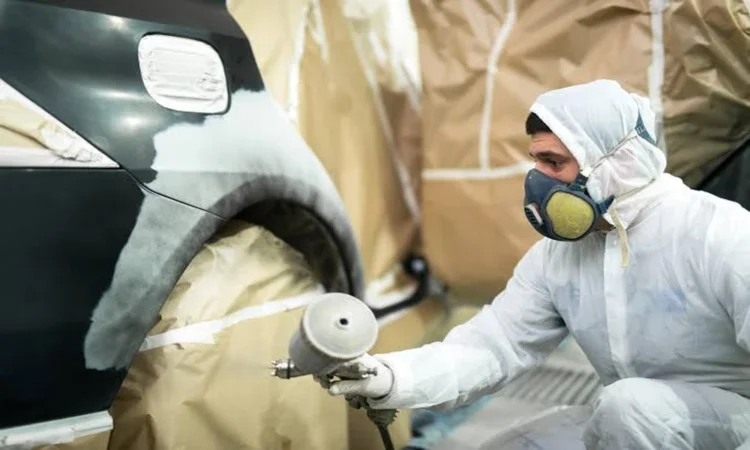
A lasting exterior finish begins with work that most owners never see once the job is complete. Proper cleaning, inspection plus surface correction create the base needed for dependable refinishing. Professional toyota of boerne auto body painting services can assess existing coating conditions before selecting suitable preparation methods. Small scratches, loose material plus uneven repaired areas require attention before another layer is applied. Following a clear preparation sequence helps later coatings settle evenly while reducing avoidable surface problems.
Detailed Inspection Reveals Hidden Surface Concerns
Exterior areas can appear ready for coating while still containing small defects beneath dirt or damaged material. Close inspection helps identify scratches, dents, peeling layers plus previous repair marks before preparation begins. Technicians can then decide which areas require cleaning, sanding, or additional correction. Lighting from different directions may also reveal marks that are difficult to notice during a quick inspection.
- Surface checks identify scratches that may remain visible after coating.
- Previous repair marks require review before additional preparation work begins.
- Loose material should receive attention before surrounding sections are treated.
- Lighting from several angles reveals subtle surface condition differences.
- Damaged edges need separate checks before coating preparation moves forward.
Careful inspection takes additional time when several areas have different levels of damage. However, identifying those differences early can reduce unnecessary correction after refinishing materials have already been applied.
Thorough Cleaning Creates a Stable Working Base
Cleaning serves a larger purpose than improving the immediate appearance of an exterior section. Oil, road residue, dust plus other unwanted material can interfere with coating attachment. A suitable cleaning process removes these contaminants before sanding or primer application starts. Clean areas also allow technicians to see the true condition of the underlying surface more clearly.
- Grease removal prevents oily residue from affecting later coating attachment.
- Dust cleaning keeps loose particles away from prepared exterior sections.
- Suitable products protect existing surfaces during early preparation procedures.
- Clean working areas make small scratches easier to identify accurately.
- Dry surfaces provide better conditions for the next preparation stage.
Complete drying remains important after cleaning. Moisture trapped beneath later materials may create surface concerns, so technicians should confirm that prepared areas are dry before moving forward.
Controlled Sanding Produces Smoother Repaired Areas
Sanding helps create a level working area after damaged sections receive correction. The process can remove rough edges, old coating material plus small imperfections that would otherwise remain noticeable. Different sanding grades may be selected according to the amount of correction required. Light marks generally need less aggressive treatment than deeper repaired sections.
Pressure also matters during this stage. Excessive sanding can remove more material than necessary while insufficient work may leave uneven areas behind. During careful preparation, toyota of boerne auto body painting services can connect surface assessment to suitable smoothing methods before later coating procedures begin.
- Gentle sanding helps smooth minor scratches without excessive material removal.
- Deeper repair areas may require additional controlled surface correction work.
- Even pressure reduces unwanted marks across prepared exterior surface sections.
- Proper sanding materials should match the condition being corrected carefully.
- Finished areas need inspection before primer application begins properly afterward.
Primer Application Supports Consistent Coating Coverage
Primer creates an intermediate layer between prepared surfaces plus later coating materials. It can help provide more uniform coverage across sections where repairs have exposed different underlying materials. Proper primer application also makes minor surface differences easier to identify before color work begins.
- Primer creates a consistent base across properly prepared repaired sections.
- Controlled application reduces uneven buildup around corrected surface areas afterward.
- Proper drying helps applied material settle before further preparation continues.
- Surface checks reveal remaining imperfections after primer has fully settled.
- Additional smoothing may correct small flaws before coating application starts.
Temperature plus moisture can influence how primer dries. Working conditions should therefore receive attention throughout the process. Consistent preparation depends on controlling several small factors rather than relying on one procedure alone.
Completion Checks Strengthen Overall Refinishing Quality
A prepared area should receive another review before refinishing materials are applied. This check confirms that cleaning, sanding plus primer work have produced a suitable base. Technicians can inspect texture, edges plus surrounding sections under different lighting conditions. Any remaining defect is usually easier to address before the next coating stage begins.
- Surface texture should appear consistent before later materials are applied.
- Prepared edges need smooth transitions into surrounding exterior surface sections.
- Dust removal keeps recently prepared areas clean before coating begins.
- Masking checks confirm nearby sections remain protected during refinishing procedures.
- Lighting reviews expose minor flaws requiring correction before application continues.
Successful refinishing depends heavily on the quality of work completed beforehand. Inspection identifies what requires attention, cleaning removes unwanted material plus controlled sanding creates smoother surfaces. Primer then provides a more consistent base while completion checks confirm readiness for further work. No preparation process can guarantee perfection under every condition, especially when previous damage or older coatings create limitations. Consistent execution, careful review plus appropriate methods provide a more reliable path toward durable refinishing than rushing through individual stages.