How America’s Most Recycled Product Gets a Second Life (and How You Can Cash In)

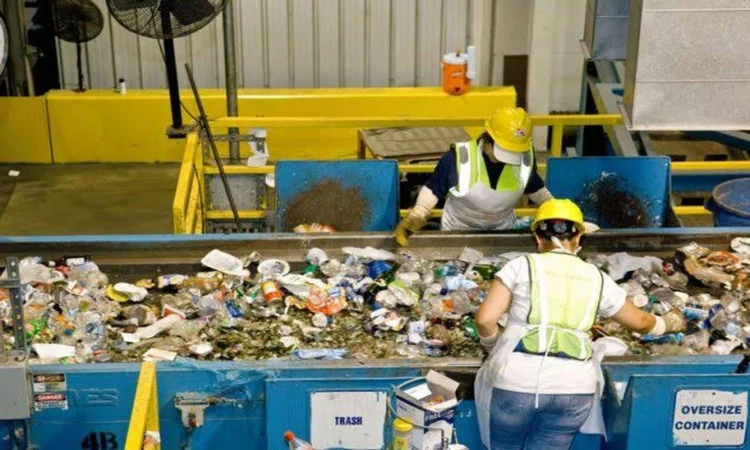
That car rusting behind your garage isn’t junk. It’s the most recycled consumer product on the planet, and roughly 15 million vehicles enter the recycling stream in the United States every year, according to long-running industry counts reported by the EPA. Which means the answer to “what do I do with this thing” is a lot more interesting than “call somebody to haul it off.”
I spent two weekends clearing out a family property last spring, and the dead pickup in the back was the last thing I wanted to deal with. What I learned changed how I look at every abandoned vehicle I pass. So here’s the deal: you’ll walk away knowing exactly what happens to a scrapped car, why the steel in it matters, and how to scrap your car in Austin TX without getting lowballed or stuck waiting three weeks for a tow.
Why Your Dead Car Is Worth More Than You Think
Steel is the backbone of any vehicle, and a typical car is built from roughly 60 percent steel by weight. Across the country, more than 18 million tons of steel get recovered from recycled vehicles every year. Some of that metal almost certainly ends up in the next car rolling off a lot.
That’s the part people miss. Metal doesn’t degrade with each recycling cycle the way paper or plastic does. It can be melted down and reformed forever. Your grandfather’s sedan might already be part of the frame holding up your current ride, which I find genuinely strange and kind of wonderful.
Beyond steel, a scrapped vehicle gives up aluminum wheels, copper wiring, glass, and several kinds of plastic. The leftover material, called automotive shredder residue, gets sorted further, and even that stream has uses in construction and energy recovery. Very little of a car is truly wasted when it’s handled properly.
What Actually Happens After the Tow Truck Leaves
First, the yard drains every fluid in the vehicle. Gas, oil, transmission fluid, brake fluid, coolant, power steering fluid, and windshield washer solvent all get captured separately. This step matters more than any other, because dumping those fluids is what turns an old car into an environmental problem.
Next comes depollution: the battery, tires, catalytic converter, and any mercury switches get pulled. Older vehicles built before roughly 2003 sometimes hide mercury in their anti-lock brake switches, which is exactly the kind of thing a licensed yard knows to look for and a guy with a trailer in his backyard does not.
After that, the hulk gets crushed and shipped to a shredder, where giant hammers reduce it to fist-sized chunks in seconds. Magnets pull the steel, eddy currents separate the aluminum, and the remaining mix gets sorted by density and hand. You can watch the whole sequence on YouTube if you want a rabbit hole, and you will absolutely lose an hour to it.
A Realistic Look at What You’ll Get Paid
Here’s where I’d rather give you honest guidance than a fake number. Scrap value depends on the vehicle’s weight and the current market price for scrap metal, which moves constantly. A stripped compact might net you a modest amount. A full-size truck with its engine and transmission still in place will do considerably better.
What you can control is how you present the vehicle. Complete cars beat gutted cars every time, because the yard gets more recoverable material and you get a better offer. If the catalytic converter is still attached, say so up front. If the battery is new, mention it. Whatever you do, don’t accept a phone quote as final. Ask whether the price is based on weight, flat rate, or condition. A yard that explains its pricing clearly is a yard worth dealing with. So is one that answers the phone the same day you call.
Paperwork, Title Rules, and the Part Everyone Forgets
Texas requires a title to transfer a vehicle, and a scrap yard can’t just take your word for it. If you’ve lost the title, you can usually apply for a duplicate through the Texas DMV before you do anything else. That one errand prevents 90 percent of the headaches people run into.
Grab your driver’s license or state ID, and if the vehicle is titled in someone else’s name, get their signature or a power of attorney. Bring a friend if you want, but the yard needs the document set clean before it can hand you a check.
Two things to do before the tow arrives:
- Clear out every personal item, including the glovebox, center console, and anything wedged under the seats.
- Remove license plates if your state requires you to keep or surrender them, and cancel your insurance and registration afterward.
Vehicles You Might Not Realize Are Recyclable
The process isn’t limited to sedans and pickups. Vans, motorcycles, dirt bikes, RVs, boats, farm equipment, horse trailers, and utility trailers all qualify, because they’re all built around metal frames and engines. I’ve seen a scrap yard take a busted riding mower and a dead jet ski in the same afternoon. One caveat: boats and RVs often carry fiberglass, which has far less recycling value than steel, so bring your expectations down a notch on those. Engines and trailers still pay.
What to Check Before You Hand Over the Keys
Recycling metal uses a fraction of the energy required to make new metal from raw ore, which is why the Department of Energy treats scrap recovery as a core part of domestic manufacturing. That’s a real environmental argument, and it’s also a reason to pick a yard that actually recycles rather than one that stockpiles.
Run through this before you commit:
- Confirmation of licensing. Ask directly. A legitimate operation has the permits to handle fluids and hazardous components.
- A written or emailed quote. Verbal offers have a way of shrinking once the truck shows up.
- Free towing. Most reputable yards include it. If someone charges you to haul a car they’re going to profit from, keep calling.
- Same-week pickup. If the wait is measured in weeks, your vehicle is sitting exposed to weather and code complaints the whole time.
- Payment method. Confirm whether you’re getting a check, cash, or a transfer, and when.
The One Call That Ends the Whole Project
Think about what you’re actually getting rid of here. An eyesore in the driveway, a registration you keep forgetting to cancel, a neighbor who’s been meaning to say something for six months, and in most cases a small pile of money you didn’t know you had. The environmental case is real, but honestly, the cleared driveway is what sold me. So make the call, gather the title, pull the plates, and let someone else deal with the fluids. Then tell me: what’s the oldest vehicle you’ve ever scrapped, and did you get more or less than you expected?