

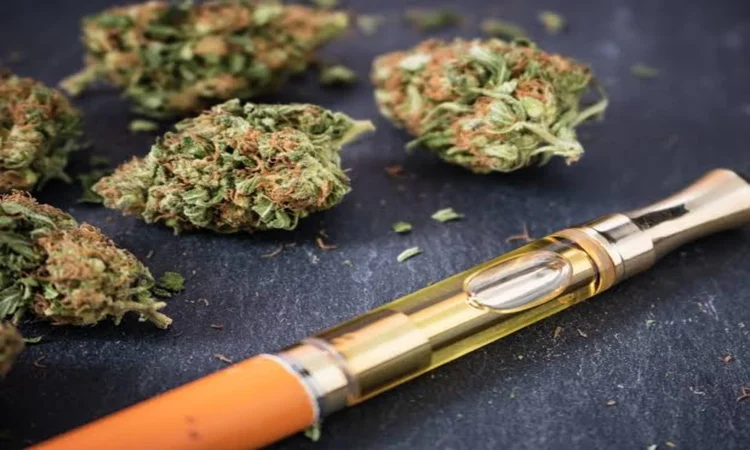

Heating element type controls how a pen converts oil into vapour, shaping temperature behaviour, flavour character and draw consistency across every session. Ceramic, quartz and metal coil designs each warm the chamber differently, and those differences carry through directly to what the user tastes and feels. The best THCA vape pen options soon discovers that element type explains performance gaps between devices more reliably than exterior styling or battery size ever could. Learning the character of each material turns pen selection from guesswork into a genuinely informed choice.
Ceramic element character
Ceramic elements heat gradually and hold temperature steadily, making them the preferred choice for full flavour and gentle vapour. Porous ceramic surfaces absorb oil directly, spreading warmth across a wide area so the extract vaporises evenly without sudden temperature spikes. Terpenes survive this measured warmth in greater numbers, which explains why ceramic pens consistently deliver richer taste from the same oil. Warm-up takes slightly longer than other materials require, though the payoff arrives in sessions that stay smooth from beginning to end. Dense THCA formulations particularly reward ceramic hardware, since thick extract needs sustained even warmth to release its full vapour potential.
Quartz element behaviour
Quartz reaches operating temperature almost instantly, serving users who value immediate response above everything else a pen offers. Crystal surfaces transfer heat directly to the oil touching them, producing dense vapour within the first moment of activation. Quartz also imparts no flavour of its own, letting the extract’s natural character come through cleanly on every pull. Sessions built around quick, powerful draws suit this material perfectly, and pens pairing quartz with adjustable voltage give users precise command over exactly how much punch each activation carries. Managing that speed takes slight attention, since rapid heating rewards shorter draws over extended pulls.
Metal coil qualities
Metal coils bring durability and affordability to the element conversation, running reliably through long service lives with minimal care from the user. Modern designs wrap the coil around absorbent wicking or embed it within protective layers, keeping the heat source working session after session across months of regular use steadily. Response time lands between ceramic patience and quartz immediacy, giving these pens a balanced middle position that many everyday users appreciate for its predictability. Manufacturers continue refining coil alloys and construction methods with each generation, steadily narrowing whatever performance gaps once separated metal designs from newer materials on the market.
Matching element to oil
Pairing element type with extract characteristics completes the picture, since each material serves particular oil profiles best. Thick, terpene-rich THCA oil shines through ceramic warmth that respects its delicate aromatic content at every stage of the draw. Users chasing maximum vapour from concentrated formulations often lean toward quartz speed and its instant response. Everyday sessions balancing convenience with quality settle comfortably into well-made coil designs that ask little and deliver steadily. Device makers increasingly publish which extract types their hardware supports, and reading those pairings guides buyers toward combinations engineered to work together from the very start.
Heating element choice quietly decides most of what a pen delivers, from flavour depth to vapour timing to session texture. Users who match material character to their own preferences find hardware that feels made for exactly how they like to draw.