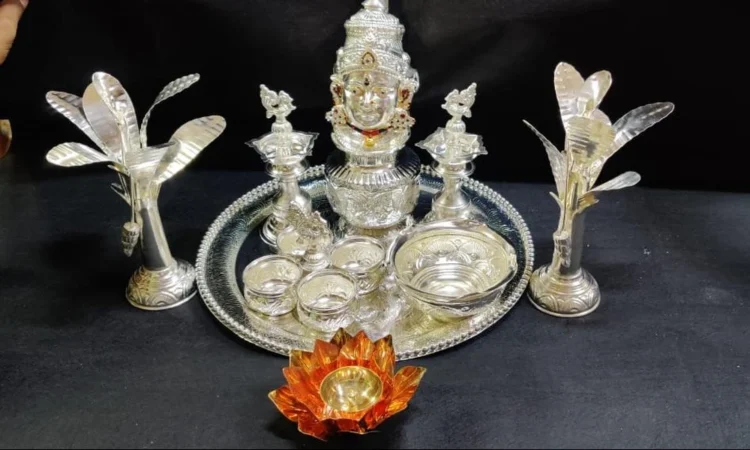
Silver pooja items occupy a unique position in Hindu worship practice, combining the spiritual significance of metal purity with the aesthetic quality that elevates the physical space of devotion. The tradition of using silver in worship across Indian religious practice reflects both ancient scriptural guidance on the auspiciousness of silver as an offering material and the enduring cultural value of crafting devotional objects in a material whose purity is immediately visible in its appearance and lustre. Understanding why sterling silver pooja items hold their distinctive place in contemporary worship practice, and what distinguishes quality silver work from lesser alternatives, helps devotees make choices that honour the intention behind the tradition.
The Scriptural and Cultural Basis for Silver in Worship
Silver’s association with purity and divine favour is documented across multiple Hindu scriptural traditions. The metal’s natural antimicrobial properties, its reflective quality that captures and diffuses light during aarti and lamp-lit worship, and its preservation of the sanctity of substances stored within it have all contributed to its long-established role in temple ritual and domestic worship.
Silver lotus for pooja holds particular significance as the lotus is the sacred flower of Lakshmi, Saraswati, and Vishnu, and offering a silver representation of the lotus to the deity combines the auspiciousness of the flower’s symbolism with the offering of silver as a mark of devotion and reverence. The permanence of a silver lotus flower for pooja compared to a fresh flower makes it a continuing offering that remains on the altar across daily worship rather than requiring replacement.
What Sterling Silver Means in the Context of Pooja Items
Sterling silver pooja items are made from 92.5 per cent pure silver alloyed with 7.5 per cent copper or other metals that provide the hardness required for workable, durable objects. This standard, represented by the hallmark 925, is the internationally recognised definition of sterling silver and distinguishes it from lower-purity silver alloys or silver-plated base metal objects that may be visually similar but carry significantly different intrinsic value and longevity.
For devotees purchasing sterling silver pooja items as either objects of worship or as gifts for religious occasions, confirming that the item is hallmarked at 925 purity is the most important quality verification step. Unhallmarked silver items of uncertain purity are not appropriate standards of offering for those who follow the tradition of silver worship items.
Types of Silver Pooja Items and Their Applications
Silver pooja items span the full range of worship requirements:
- Silver lotus flower for pooja: placed at the deity’s feet or offered in the pooja thali as a symbolic devotional gift, the silver lotus is appropriate for daily Lakshmi, Saraswati, and Vishnu puja
- Silver diyas and lamps: used for aarti and lamp-lighting in daily and festival worship, silver lamps enhance the ritual’s visual and spiritual quality
- Pooja thalis: silver thalis for holding the complete set of worship materials: kumkum, haldi, flowers, diya, and incense
- Kalash and vessels: silver water vessels for abhishek and ritual cleansing, maintaining the purity of the water used in worship
- Idols and figurines: small silver idols of deities for home shrine worship, particularly Ganesha, Lakshmi, and Vishnu
Caring for Sterling Silver Pooja Items
Sterling silver pooja items require regular cleaning to maintain the bright lustre that is part of their visual and spiritual quality. Silver tarnishes through oxidation over time, particularly in humid environments or where the silver is in contact with sulphur-containing materials. Regular gentle polishing with a silver cloth or mild silver polish maintains the items’ appearance and prevents the accumulation of tarnish that eventually requires more intensive treatment.
Conclusion
Silver pooja items connect the physical practice of worship to a tradition whose depth and continuity across generations reflects the enduring human aspiration to offer beauty, purity, and value in devotion. A silver temple jewellery gifted or purchased for home or temple worship represents both a practical object of devotion and a continuation of a tradition whose spiritual logic remains as meaningful in contemporary practice as it has always been.