

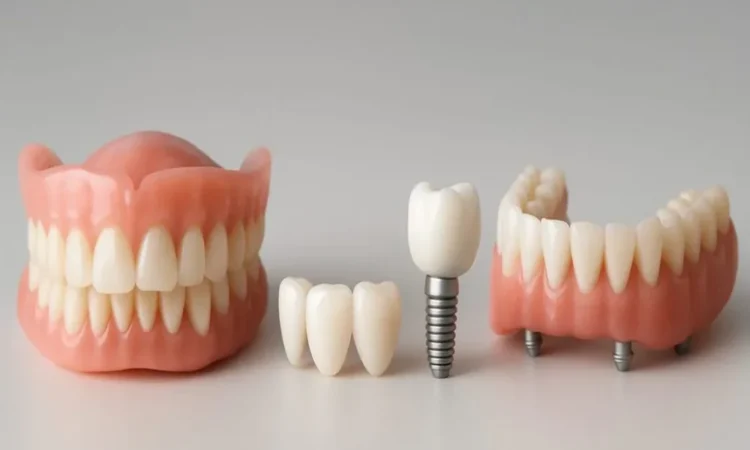

Twelve years. That is the rough median lifespan of a traditional dental bridge, and it is the number that quietly wrecks a lot of budgets. Dentures need relining every few years as bone shifts underneath them. A bridge depends on two crowned neighbors that have to stay healthy for the whole ride. Implants work differently because they replace the root, not just the gap.
If you have lost a tooth and you are weighing options, the decision usually comes down to three things: how the replacement anchors, how much upkeep it needs, and what it costs across a decade rather than at checkout. A quality Dental Implant Center in Saratoga Springs will walk you through all three before anyone picks up a drill. That conversation matters more than the marketing photos.
Here is the short version. An implant is a titanium post set into the jawbone, capped with a crown. It behaves like a root, so the bone around it keeps its job. Bridges and dentures sit on top of gums and teeth, which means they lean on structures that were never designed to carry that load forever.
What actually holds a replacement tooth in place?
Think of it as three different foundations. A bridge is a span resting on two pillars, and those pillars are your remaining teeth, ground down to make room for crowns. A denture is a plate that stays put through suction, adhesive, or clips on adjacent teeth. An implant is a post fused to bone.
That fusion is the whole ballgame. Bone responds to load, and a post that carries chewing force keeps the surrounding bone active. Pull a tooth and leave the space empty, and the jaw in that spot gradually loses density. This is a well documented pattern, and the American Dental Association maintains patient resources on tooth replacement for anyone who wants the plain language version.
I would pick an implant over a bridge in almost every case where bone volume allows it, and I would say so to a friend. The exception is a patient with serious health complications or a jaw that cannot support a post without grafting. Even then, the answer is usually a conversation, not an automatic no.
The upkeep difference nobody puts on a brochure
Bridges need flossing under the span with a threader or a water flosser, and that fake tooth collects plaque like a magnet because you cannot brush its underside normally. Dentures come out at night, soak, and get scrubbed. Both routines work. Both also depend on you being diligent for decades.
Implants brush and floss like natural teeth. That sounds trivial until you have spent a decade threading floss under a bridge at 11 p.m. The MouthHealthy library from the American Dental Association lays out daily oral care basics that apply to implants too, because the crown and the gumline around it still need attention.
Here is my honest take: the maintenance burden of implants is lower, but it is not zero. Skip cleanings and the tissue around an implant can inflame just like gum tissue around a tooth. The hardware is durable. Your habits still decide the outcome.
A five question checklist before you commit
Run these before you schedule anything. Bring the answers to your consult and watch how the office responds.
- How much bone do I have? Ask for the imaging explanation in plain terms. If grafting is needed, find out whether it happens the same day or in a separate visit.
- What is the total timeline? Single implants often need a few months for the bone to grip the post before the final crown goes on. Same day options exist for the right candidates, not for everyone.
- Who places the post and who restores it? Some offices handle surgery and restoration in house. Others refer out. Both are fine. Confusion about handoffs is not.
- What does the ten year math look like? A bridge replaced twice can cost more than one implant. Ask for the numbers side by side.
- What happens if it fails? Get the warranty or replacement policy in writing before you start.
If a practice dodges question five, walk. That single answer tells you how confident they are in their own work.
Cost, honestly
Implants carry the highest sticker price of the three options, and pretending otherwise wastes your time. The reason people still choose them is that the price buys a root replacement rather than a surface fix, and the replacement cycle is longer.
Dentures win on upfront cost by a wide margin. Bridges sit in the middle. But if you are 55 and weighing this decision, the relevant question is not what you pay this year. It is what you pay across the next twenty, including relines, replacements, and the dental work a bridge forces on healthy neighboring teeth.
One more thing worth knowing: tobacco use changes this math considerably. According to the Centers for Disease Control and Prevention, smoking is a leading preventable cause of gum disease, and gum health is the foundation every implant depends on. Quitting before surgery is not a lecture. It is a practical step that protects the investment.
What the first visit should feel like
You should leave with imaging reviewed, a written plan, and a realistic timeline. Not a pressure close on the same afternoon. Good implant offices spend most of the first appointment listening and mapping, because the surgical plan is only as good as the diagnosis behind it.
Ask about guided surgery if it comes up. Precision matters most when an implant sits close to a nerve or a sinus cavity, and the planning software exists for exactly that reason. If the office can show you how they plan placements in 3D, that is a good sign.
You will also want to hear about sedation and comfort options. Nobody looks forward to this part, and the practices that handle anxiety well tend to be the ones that do the rest well too. Ask what happens if you get nervous mid procedure. The answer should be immediate and specific.
The bottom line on replacing a tooth
An implant will not outlast a bridge because of marketing. It outlasts one because it replaces the root and keeps the bone working. Bridges and dentures still have real places in dentistry, especially for patients who cannot undergo surgery or who need a faster, cheaper solution right now. Those are legitimate choices, not failures.
The mistake is picking on price alone and discovering the replacement cycle five years later. Get the imaging, ask the five questions, and compare the ten year numbers rather than the first invoice. Your future self, the one still chewing on the left side without thinking about it, will thank you.
So which option fits your mouth and your budget, and have you actually asked a clinician to show you the difference on your own X-ray? That is the next conversation worth having.