A roof’s age provides useful background, but it does not reveal the complete condition of the structure. Two roofs installed in the same year may perform differently because of material quality, maintenance, weather exposure, and previous damage. Therefore, homeowners should avoid scheduling replacement based only on a general lifespan estimate.
An older roof may remain dependable when professionals maintain it carefully and address minor concerns promptly. A newer system may require major attention after strong winds, heavy rain, or falling debris. The following sections explain which conditions, repair patterns, materials, and environmental factors should guide replacement timing.
Current Roof Condition Provides Stronger Evidence
Before considering replacement, homeowners need to know how effectively the roof currently protects the property. A professional inspection provides clearer information than the installation date alone. Specialists from trusted roof replacement services can examine tiles, metal panels, flashing, openings, and areas where moisture may enter.
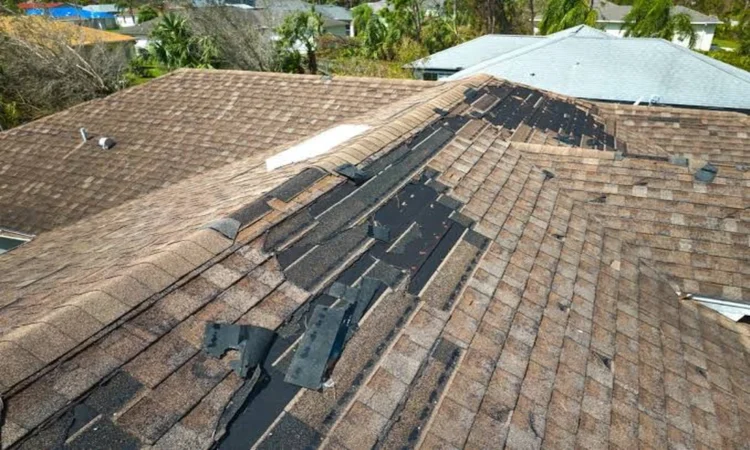
Their findings help determine whether focused repairs can restore reliable protection or replacement offers a more practical solution. A well-maintained structure may remain secure beyond a standard lifespan estimate. However, widespread cracks, loose sections, damaged flashing, and persistent leaks may point to deeper deterioration.
Repair History Shows How Problems Have Progressed
Present damage tells only part of the story, which makes previous service records equally important. One isolated leak may require a targeted correction, while repeated water entry across separate areas can indicate declining performance. Frequent repairs to tiles, seams, flashing, or roof openings may also reveal a larger concern.
Homeowners should review where each problem appeared, how professionals corrected it, and how quickly the issue returned. This information helps contractors compare the value of another repair with the long-term benefits of replacement. It also prevents homeowners from replacing a sound system before the work becomes necessary.
Weather Exposure Can Change the Expected Timeline
Local weather conditions can affect roofing materials long before a general age estimate suggests replacement. South Florida properties may face intense sunlight, heavy rain, high winds, hail, salty air, and hurricane conditions. These forces can weaken individual components at different rates, even on nearby homes built around the same time.
Roof Warning Signs That Need Professional Attention
| Warning Sign | What It May Indicate | Why an Inspection Matters |
|---|---|---|
| Cracked or missing tiles | Localized impact or storm damage | A contractor can determine if repairs remain sufficient |
| Loose metal panels | Wind damage or weakened fasteners | Evaluation may reveal gaps that allow water entry |
| Water stains indoors | An active leak beneath the surface | Professionals can trace the source before moisture spreads |
| Damaged flashing | Weak protection around joints and openings | Timely correction may prevent wider deterioration |
| Repeated leaks | Broader decline across several areas | A contractor can compare repair value with replacement |
Roofing Material Shapes the Replacement Decision
The installed material affects how professionals evaluate wear, damage, and remaining service life. Each roofing system responds differently to heat, moisture, wind, and impact. For this reason, contractors should consider material-specific performance before recommending major work.
A tile roof may remain reliable when only a few pieces crack or shift. Metal roofing may also continue performing well after specialists correct loose panels, flashing defects, or leak points. Rather than applying one age limit to every property, trusted roof replacement services assess how the specific material has handled local conditions.
Professional Evaluation Determines the Right Replacement Time
A professional assessment reviews the factors that influence replacement timing, including current condition, repair history, material performance, and weather exposure. This helps homeowners understand if repairs can restore protection or if replacement is a better option. A careful evaluation supports informed decisions based on the system’s actual condition rather than age alone. It also helps identify a practical solution that protects the property effectively.
A roof’s age can offer guidance, but it should never be the only reason to consider replacement. Every property experiences different levels of wear, damage, and environmental exposure that affect long-term performance. Focusing on the actual condition of the structure helps homeowners make informed decisions that support lasting protection and value. Professional advice ensures the next step matches the property’s specific needs.