Introduction
Owning a small piece of land can be both exciting and challenging for new property owners. Good land management improves productivity, keeps the area well-maintained, and prevents avoidable problems. By following small scale land management tips carefully and consistently, beginners can handle their land efficiently and use it to its full potential.
Understand the Condition of the Land
The first step in land management is to understand the condition of the land. This includes checking the soil quality, water availability, sunlight, and climate. Each part of the land may be slightly different, so it is important to observe. Knowing these details helps in deciding what activities can be done successfully, such as planting crops or creating a garden.
Plan the Use of Space
Planning how to use the available space is essential. Dividing the land into sections for different purposes can make management easier. For example, one area can be used for growing vegetables, while another can be used for storage or leisure. A clear plan helps avoid confusion and ensures that every part of the land is used properly.
Improve Soil Quality
Good soil is the base of healthy plant growth. Adding compost or natural fertilizers can improve soil fertility and structure. Removing weeds regularly also helps plants grow better by reducing competition for nutrients. Taking care of the soil will give better results over time and reduce the need for extra inputs.
Use Water Efficiently
Water is a valuable resource that should be used carefully. Simple methods like watering plants at the right time and avoiding excess water can make a big difference. Collecting rainwater is another useful method for saving water. Proper water management helps maintain healthy plants and reduces waste.
Start Small and Expand Gradually
New property owners often feel excited and try to do many things at once. However, starting small is a better approach. Managing a smaller area allows beginners to learn and gain confidence. Once they become comfortable, they can slowly expand their activities. This method reduces stress and helps avoid mistakes.
Regular Maintenance and Monitoring
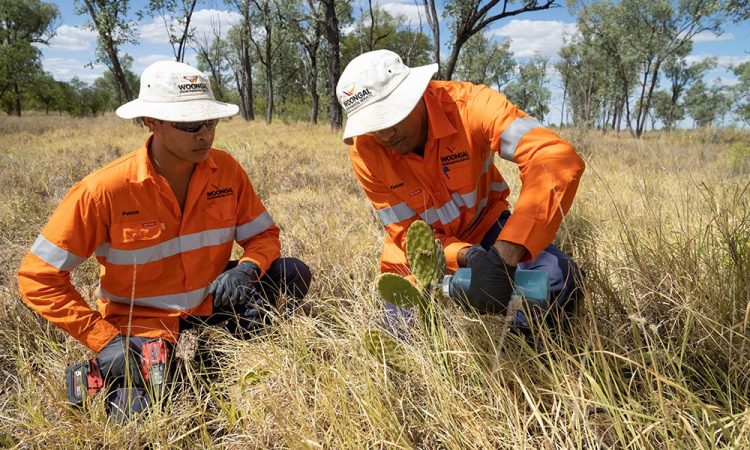
Keeping the land in good condition requires regular care. This includes checking for pests, removing unwanted plants, and making necessary improvements. Monitoring the land helps identify problems early and take action quickly. Consistent maintenance ensures long-term success.
Conclusion
Managing a small piece of land becomes easier with the right approach and mindset. By understanding the land, planning its use, improving soil quality, and using water wisely, new property owners can achieve good results. Starting small and maintaining the land regularly helps build experience and confidence. With patience and effort, small-scale land management can lead to long-lasting benefits and a well-maintained property.